HISTORICAL TEXTS · READINGS AND SOURCES

The library

Books to discover.
Sources to explore.

36 PDF books6 collections
Browse the books
Scrolls, maps and luggage evoking chronicles and journeys
A LIBRARY TO SHARE

Read the texts, trace the sources.

Most of these books have long remained secret or hidden, have been subject to censorship, or are very difficult to access. Thanks to advances in technology, I have been able to access them, translate them and share them with you, so that God’s truth may prevail and falsehood disappear forever. I do not claim that these books contain nothing but truth—far from it, in the case of some of them. It is therefore up to each person to exercise discernment in separating truth from falsehood, according to God’s instruction:

Those who give ear to the Word, then follow the best it contains. These are the ones God has guided, and these are the ones endowed with understanding!

S39:V18

God willing, I will continue to add to this library as I make new discoveries, to bring you the most interesting material. The aim is to deepen our knowledge, to become even more convinced of the truth and infinite wisdom of God’s verses, and thus to grow in knowledge, wisdom and guidance, in the hope of becoming better people and more pleasing to God.

The collection

Choose a reading path

All books

Cover of The Epistle on Conduct and Wisdom
Faith, traditions and spiritual life

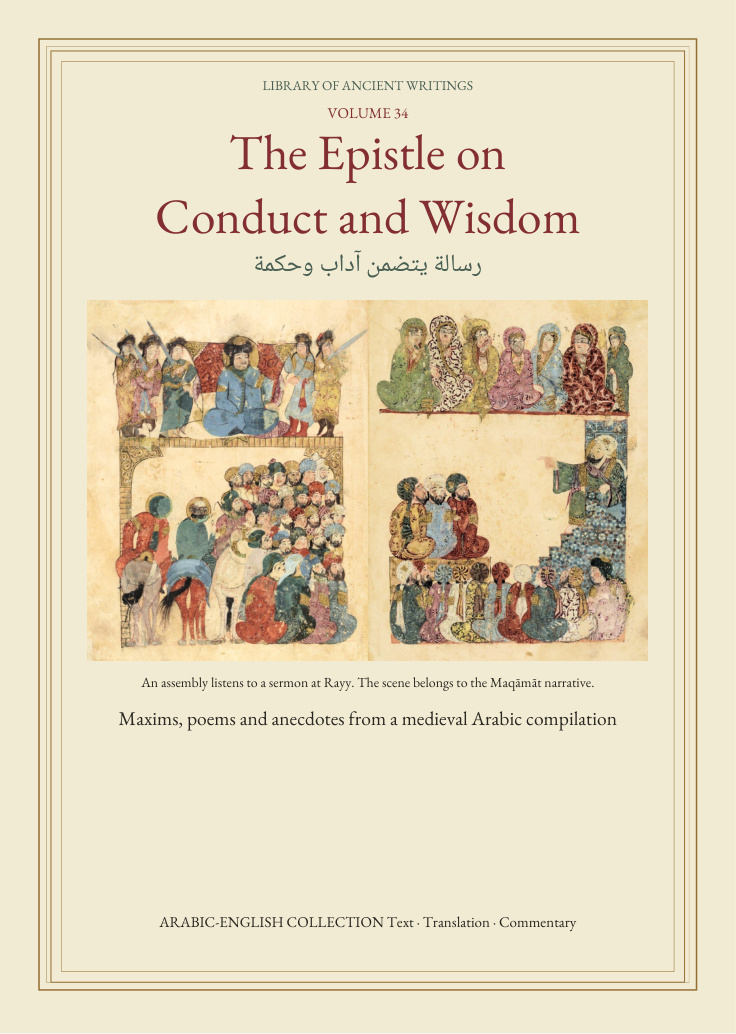
The Epistle on Conduct and Wisdom

An anonymous compiler brings together good conduct, faith and friendship. He invokes a verse about the distribution of sustenance, weighs prudence against generosity, then quotes poets and men of letters of the Abbasid era. The catalogue entry and the colophon give this small collection two different designations.

32 pages
Cover of Letter on Doubt and Faith
Faith, traditions and spiritual life

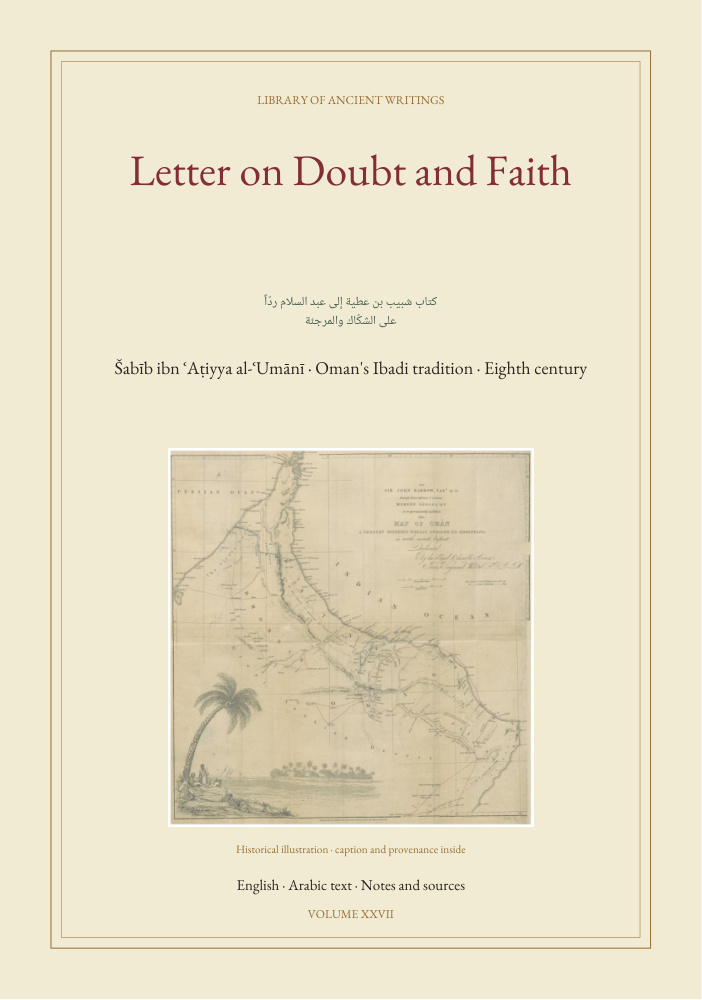
Letter on Doubt and Faith

Writing to a correspondent known only by name, Šabīb asks what the profession of faith entails. Can one call oneself a believer while withholding judgement on what guides or leads astray? As he works through the objections, he examines what the believer can know and what that knowledge obliges the believer to do.

22 pages
Cover of A Short Praise of the Quran
The Quran: manuscripts, narratives and interpretation

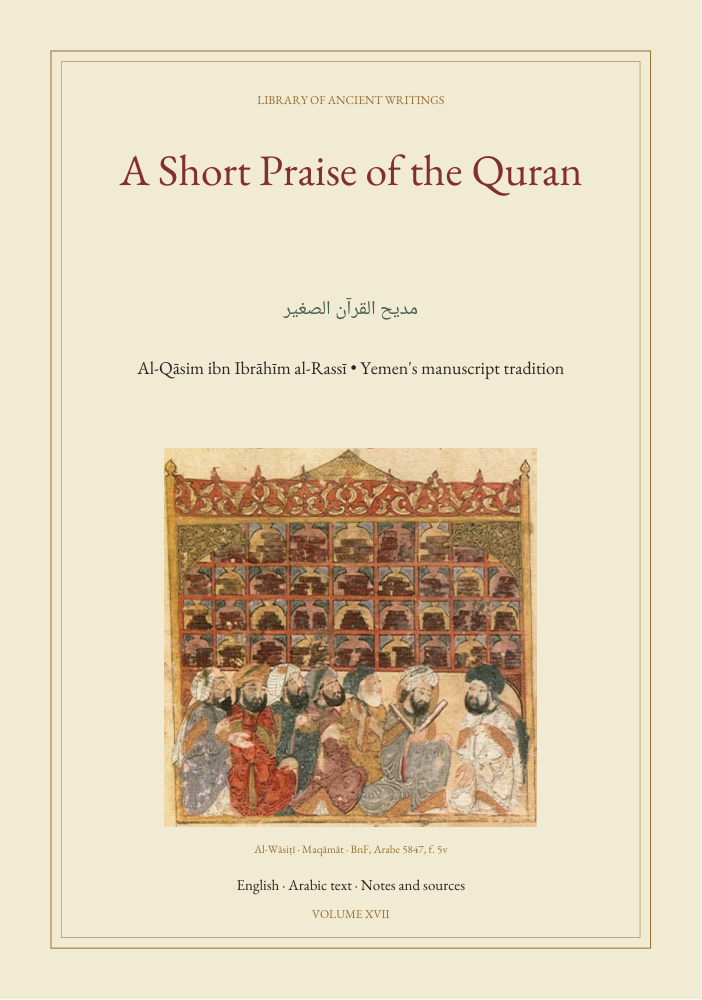
A Short Praise of the Quran

Al-Rassī evokes the light of the Quran and the fruits reaped by those who follow its guidance. In rhymed prose, he reflects on what the Book asks of its reader. His praise then becomes a commentary on the Fātiḥa and the first imperative of revelation, “Read”.

22 pages
Cover: Jewish France — Volume I
Historical and polemical documents

Jewish France — Volume I

Illustrated English edition of Volume I of Édouard Drumont’s antisemitic pamphlet (1886), presented as a historical source with an editorial context note, the author’s notes and image sources.

465 pages
Cover of The Sceptre of Judah
History of the Children of Israel

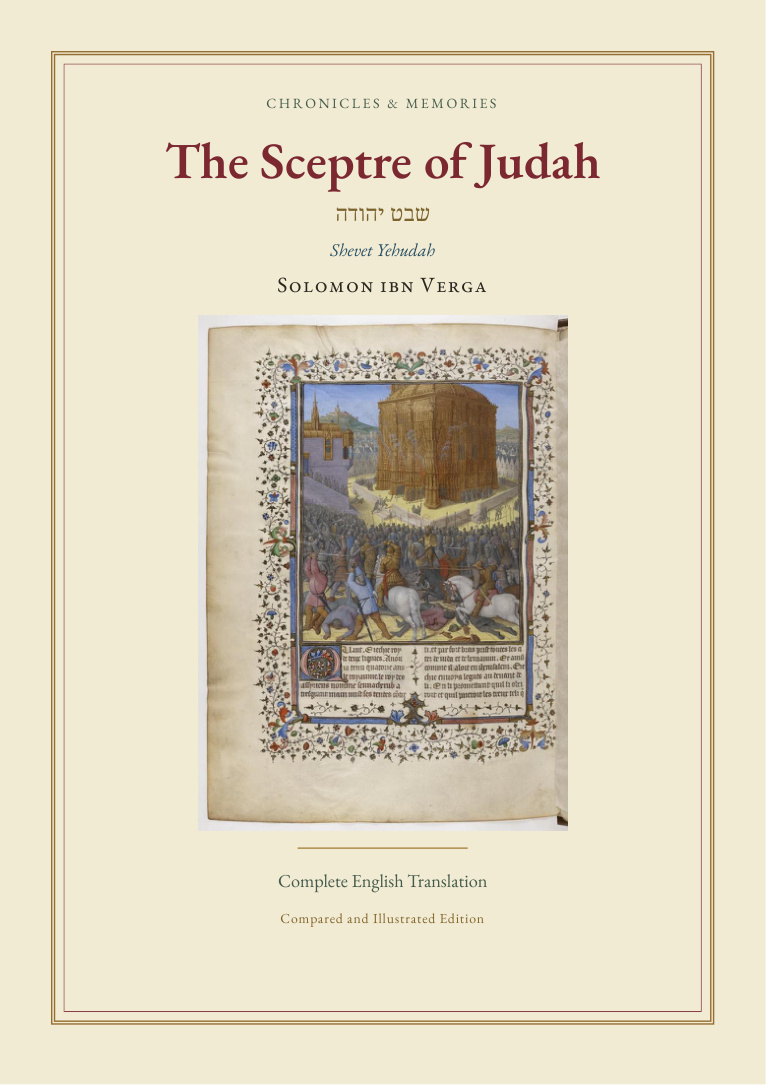
The Sceptre of Judah

The Sceptre of Judah brings together accounts of persecution, court debates, memories of exile and traditions about the history of Jewish communities. Its scope extends from antiquity to the Iberian crises of the late Middle Ages and the early sixteenth century. This volume presents the sixty-four numbered narratives and the five supplementary pieces of the Spanish edition of 1744. The translation has been revised through comparison with the Hebrew text and Meïr Wiener’s German translation. Each narrative is immediately followed by historical commentary, then by translation choices and significant variants. The chronicles, records and ancient texts cited in the notes serve to trace the episodes, clarify their figures and dates, or identify departures from the narrative. The illustrations come from manuscripts, engravings and old paintings; their provenance is given at the end of the volume.

564 pages
Cover of The Didache
Christian and apocryphal writings

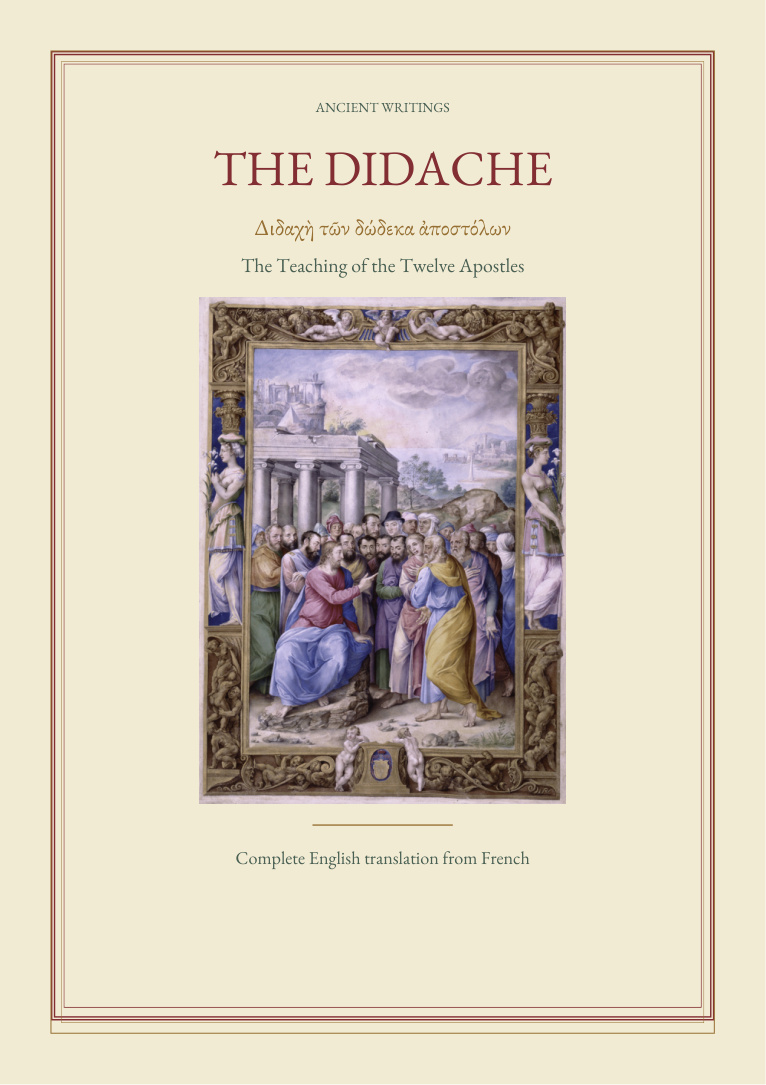
The Didache

The Didache is a short Christian manual on conduct in life, baptism, fasting, prayer, the communal meal and the reception of travelling teachers. Its Greek title means ‘teaching’. The expanded title transmitted by the manuscript is: ‘The Lord’s teaching conveyed to the nations through the twelve apostles’. This volume presents the sixteen surviving chapters through their final sentence. Each chapter is immediately followed by its Translation Choices. The illustrations reproduce older works of art; the ten final plates allow readers to consult the pages of the Jerusalem manuscript in the reproduction published in 1887.

47 pages
Cover of The Book of Idols
The Quran: manuscripts, narratives and interpretation

The Book of Idols

The book preserves memories of sanctuaries, offerings and deities of ancient Arabia, including Manāt, al-Lāt and al-ʿUzzā. Poets’ verses stand alongside accounts of their guardians. Ibn al-Kalbī retains two explanations of the origin of idols: one connected with a journey to Syria, the other with the righteous men of Adam’s generation.

77 pages
Cover of Faith According to the Two Masters of Rayy
Faith, traditions and spiritual life

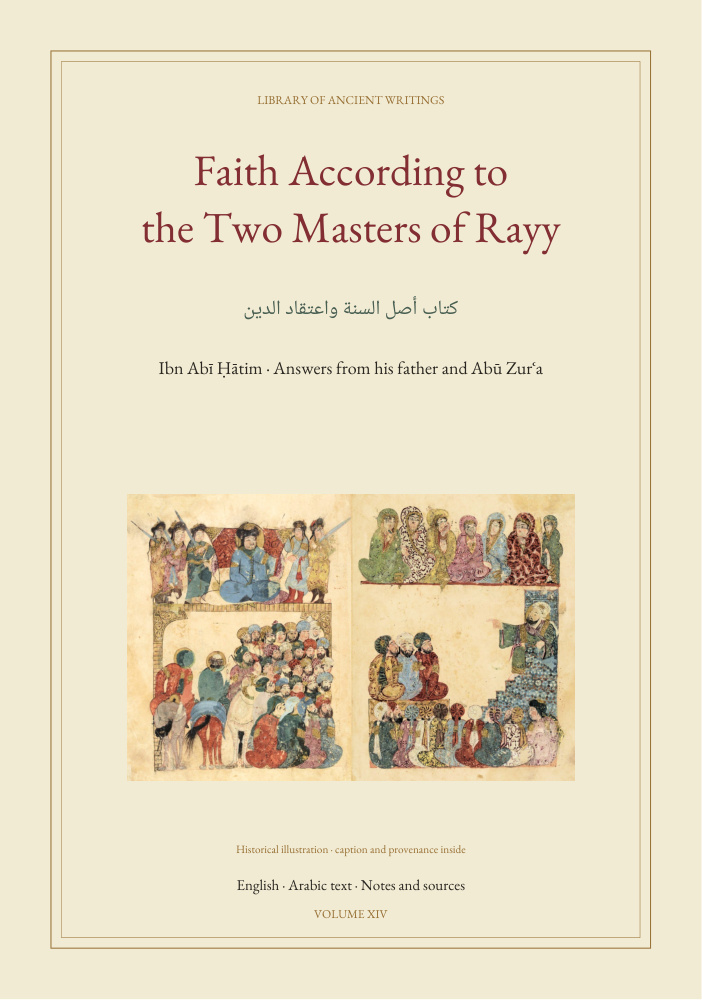
Faith According to the Two Masters of Rayy

A pupil questions his father and another traditionist about the convictions they have gathered from their teachers. Their answers address sin and membership of the community, Judgement and intercession. When they speak of the Quran and the voice of the person reciting it, the controversies of their time can be heard.

19 pages
Cover of Letter to ʿUthmān al-Battī
Faith, traditions and spiritual life

Letter to ʿUthmān al-Battī

Can someone who does wrong or neglects a precept still be called a “believer”? Responding to an accusation from Basra, the author examines what it means to enter the faith and what the word “astray” encompasses. The wars that pitted believers against one another allow him to question the judgement each person may pass on others.

25 pages
Cover of Ibn ʿUmashlīq’s Notebook
Faith, traditions and spiritual life

Ibn ʿUmashlīq’s Notebook

At the opening of the notebook, the copyist recounts having read the text before his maternal grandmother. The thirty-one pieces that follow alternate traditions and poems about knowledge, forgiveness and kinship. The same question concerning a sale, put to three Iraqi jurists, gives the reader three different answers, each accompanied by its reasoning.

35 pages
Cover: Jewish France — Volume II
Historical and polemical documents

Jewish France — Volume II

Illustrated English edition of Volume II of Édouard Drumont’s antisemitic pamphlet (1886), presented as a historical source with an editorial context note, the author’s notes and image sources.

504 pages
Cover of The Stories of the Prophets by al-Ṭarafī
The Quran: manuscripts, narratives and interpretation

The Stories of the Prophets by al-Ṭarafī

In eleventh-century Córdoba, Muḥammad ibn Aḥmad ibn Muṭarrif al-Ṭarafī gathers traditions about the prophets. Sometimes he starts with a few words from the Quran to present several accounts. In the case of Adam, for example, the reader moves from the verse about creation to sayings attributed to different transmitters. The explanations may diverge. The book often presents them one after another.

782 pages
Cover of The Letter of James
Christian and apocryphal writings

The Letter of James

The Letter of James is one of the canonical epistles of the New Testament. Written in Greek, it addresses “the twelve tribes” in dispersion. The author introduces himself as “James, a servant of God and of the Lord Jesus Christ” (1:1). One tradition identifies him with James of Jerusalem, whom Paul calls “the Lord’s brother” (Galatians 1:19). The letter itself does not specify this relationship. James observes where a poor person is made to sit, how a word wounds and what becomes of a reaper’s wages. His five chapters ask how faith can be recognised in everyday actions. The French translation underlying this English edition follows the Westcott and Hort edition (1881), consulted in the Perseus transcription. The twelve passages encompass all five chapters of the letter.

21 pages
Cover of The Revelation of the Magi
Christian and apocryphal writings

The Revelation of the Magi

Twelve sages from the land of Shir await a light foretold since Adam and Seth. On the Mountain of Victories, the star appears; it assumes human form, speaks and guides the travellers to Bethlehem. The account then follows their return to the East and their meeting with the apostle Judas Thomas. This ancient Christian work develops a distinctive version of the Magi tradition: a hidden library, differing visions of the same light, multiplying provisions, then anointing and baptism. This book gives an English translation, through the French, of the entire account preserved in the chosen source, with its repetitions, epilogue and visible gaps.

66 pages
Cover of The Protoevangelium of James
Christian and apocryphal writings

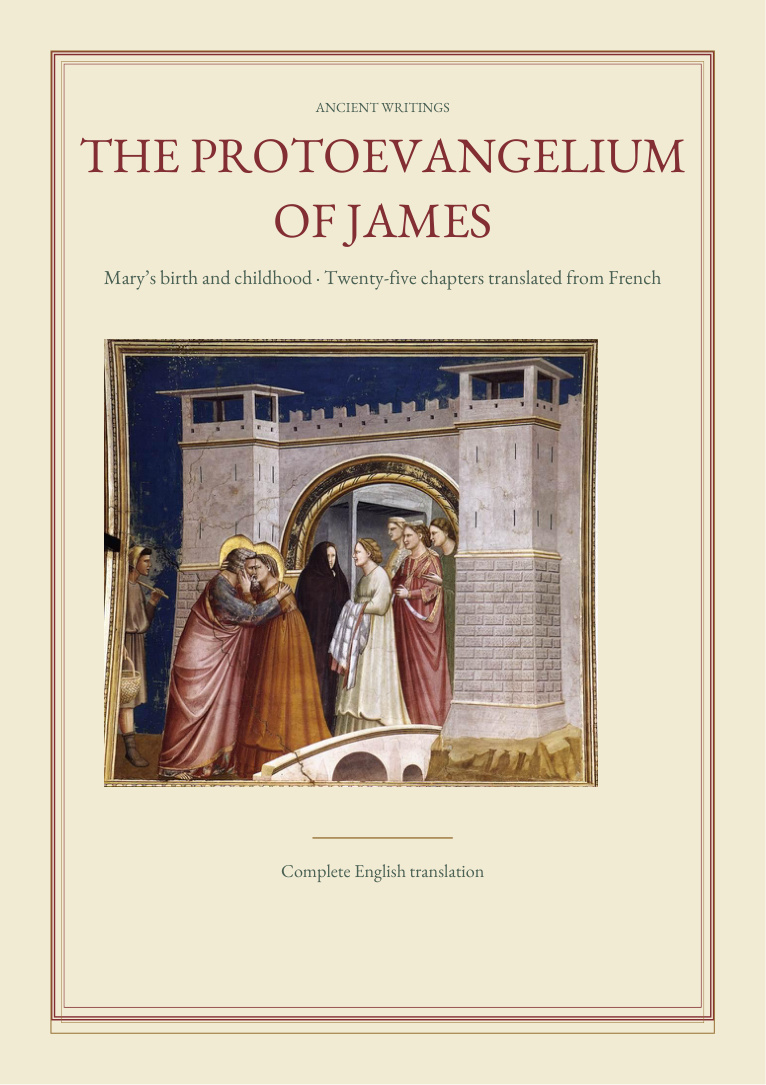
The Protoevangelium of James

This ancient narrative recounts Mary’s birth, her childhood consecrated to God, her betrothal to Joseph and the birth of Jesus. It ends with the coming of the Magi, Elizabeth’s flight and the murder of Zechariah. It traditionally bears James’s name, although this attribution does not establish the identity of its author. Here the title ‘Protoevangelium’ means a narrative set before the events usually recounted at the beginning of the Gospels. The work belongs to Christian apocryphal literature: it is not part of the New Testament. Probably composed in the second century, it circulated in many languages. Papyrus Bodmer V, from the third–fourth centuries, preserves a very early Greek form. This volume presents the twenty-five chapters of the form published and translated in the nineteenth century. After each chapter, a short section explains translation choices that may affect understanding. The older illustrations are identified and dated; they show the narratives’ reception in art.

39 pages
Cover of The Epistle of Barnabas
Christian and apocryphal writings

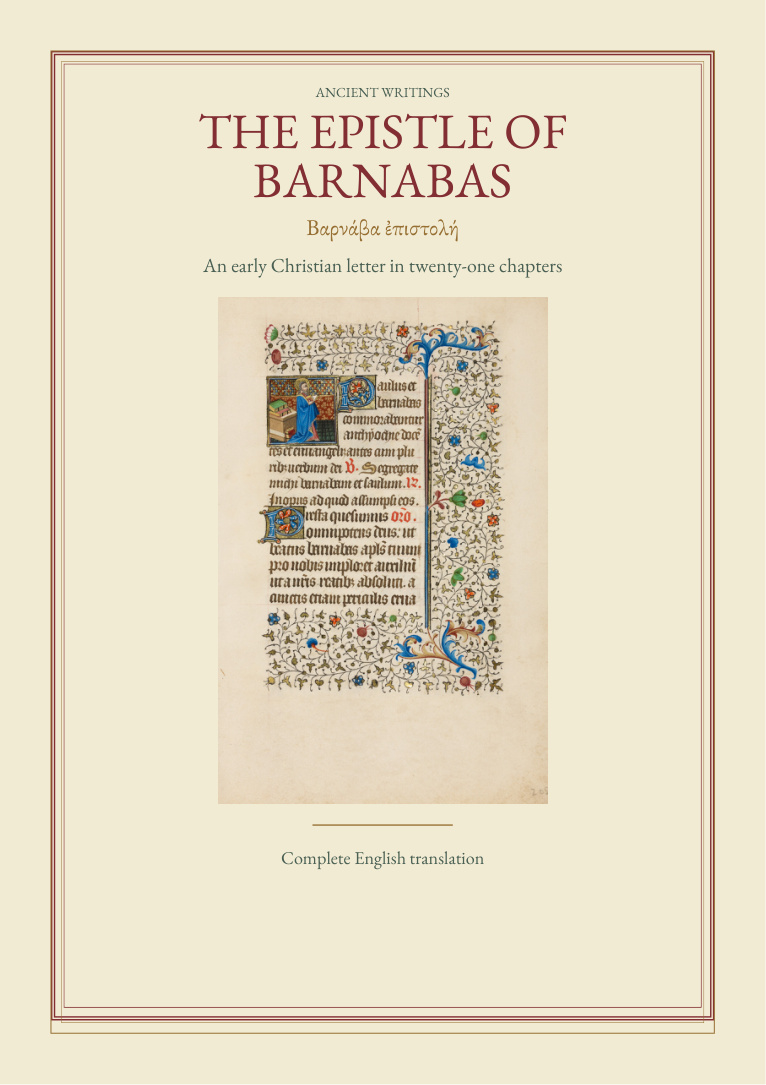
The Epistle of Barnabas

The Epistle of Barnabas is an early Christian work transmitted in Greek under the name of Barnabas. It offers a spiritual interpretation of biblical precepts and narratives, then sets out the two ways of light and darkness. It takes the form of a letter of instruction addressed to believers. This volume presents all twenty-one chapters in full, each followed by Translation Choices. Difficulties in the text, useful Greek terms and alternative readings are explained alongside the relevant passage. This Epistle is a separate work from the Gospel of Barnabas preserved in an Italian manuscript of the Renaissance. The name in its title does not, by itself, establish its author's historical identity. [SINAI ; OGER1907]

58 pages
Cover of Abrogating and Abrogated Verses
The Quran: manuscripts, narratives and interpretation

Abrogating and Abrogated Verses

How can we decide whether a verse replaces an earlier precept, restricts its scope or grants an exemption? The treatise considers cases as varied as the direction of prayer, fasting and inheritance. It sometimes preserves opposing opinions on the same verse and ends with a question to al-Kalbī whose answer is missing.

44 pages
Cover of The Throne and the Seat
The Quran: manuscripts, narratives and interpretation

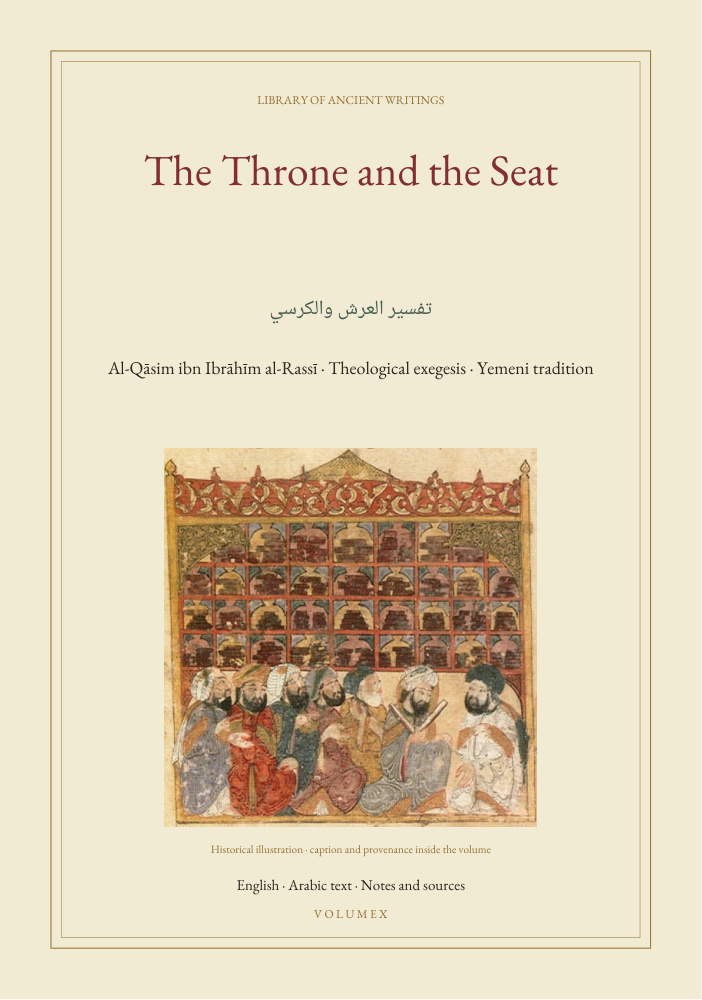
The Throne and the Seat

A son asks his father what the Throne and the Seat denote in the Quran. In reply, his father brings together the Queen of Sheba’s throne, royal practices and images from Arabic poetry. He also examines the role of angels and the meaning of the Throne’s eight bearers.

73 pages
Cover of The Book of the Throne
The Quran: manuscripts, narratives and interpretation

The Book of the Throne

What distinguishes God’s Throne from the Seat mentioned in the Quran? After setting out his position, the author brings together ninety traditions on the waters, the heavens, light and the angels who bear the Throne. Names, numbers and descriptions vary from one account to another with the chain of transmission.

72 pages
Cover of Sincerity and Intention
Faith, traditions and spiritual life

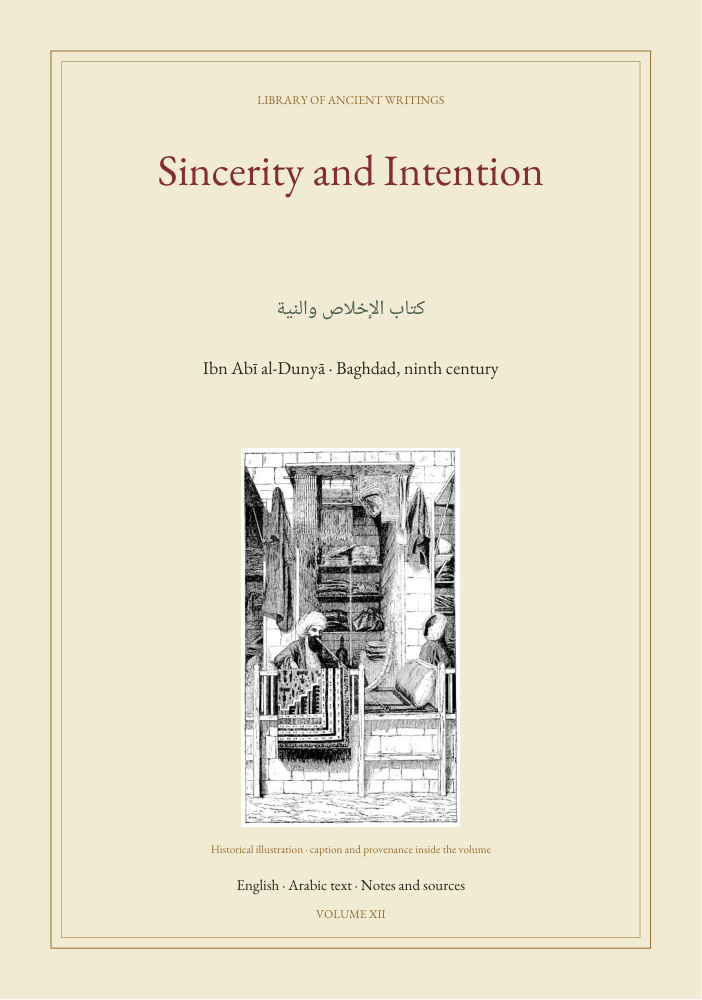
Sincerity and Intention

How can we recognise the sincerity of an act when someone is watching us? The fifty-six traditions follow believers at the mosque, in the market or among their loved ones. A cloth merchant, a preacher and men who conceal their tears reveal the sometimes fine line between the desire to please God and the desire to be noticed.

38 pages
Cover of The Foundations of the Sunna
Faith, traditions and spiritual life

The Foundations of the Sunna

Al-Ḥumaydī sets out what he understands by faith, divine decree and loyalty to the Companions. He then examines Quranic expressions concerning God and the place of deeds in belief. A comparison with a deceased person’s debt clarifies the distinction he draws between obligatory almsgiving and pilgrimage.

19 pages
Cover of Four Words for the Heart
Faith, traditions and spiritual life

Four Words for the Heart

Four Arabic words here denote distinct depths of the inner life. The reader passes from the breast to the heart, then to the deep heart and the core. To illuminate their relationships, the author uses familiar images, from an almond to a lamp, and rereads the verses that evoke faith, light and discernment.

118 pages
Cover of The Gestures of Prayer
Practices and the history of societies

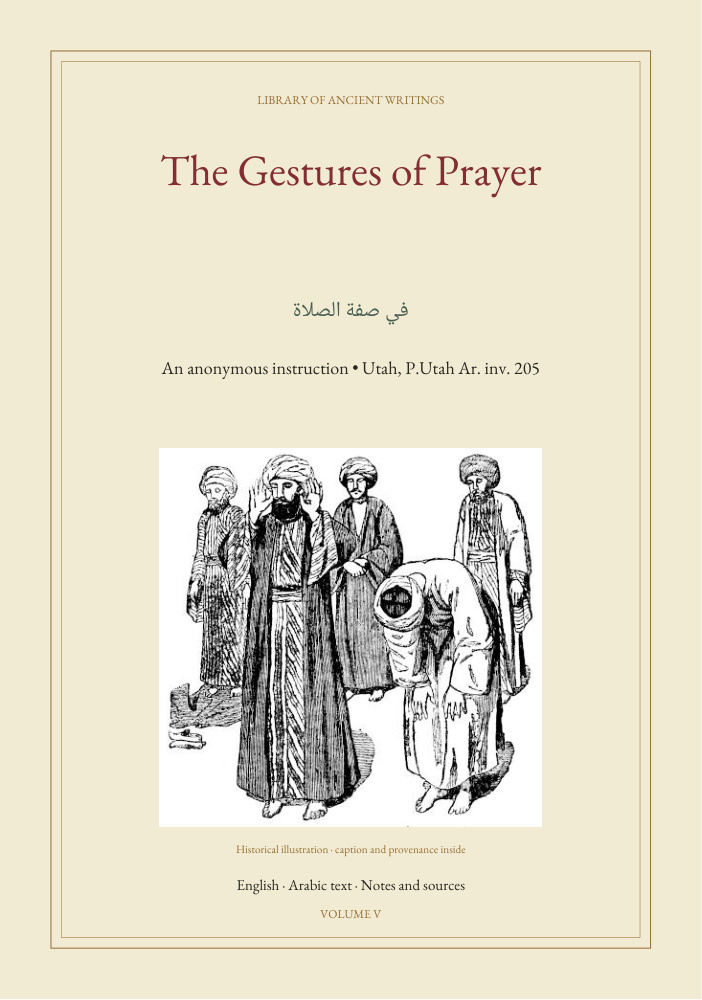
The Gestures of Prayer

The worshipper stands, raises his hands to shoulder height and begins his recitation. The instruction follows each gesture down to the position of the palms, fingers and foot, then addresses the reader directly about the words he must say while seated. A tear in the leaf interrupts the final formula of the profession of faith.

16 pages
Cover of Letter on the Merits of Mecca
Practices and the history of societies
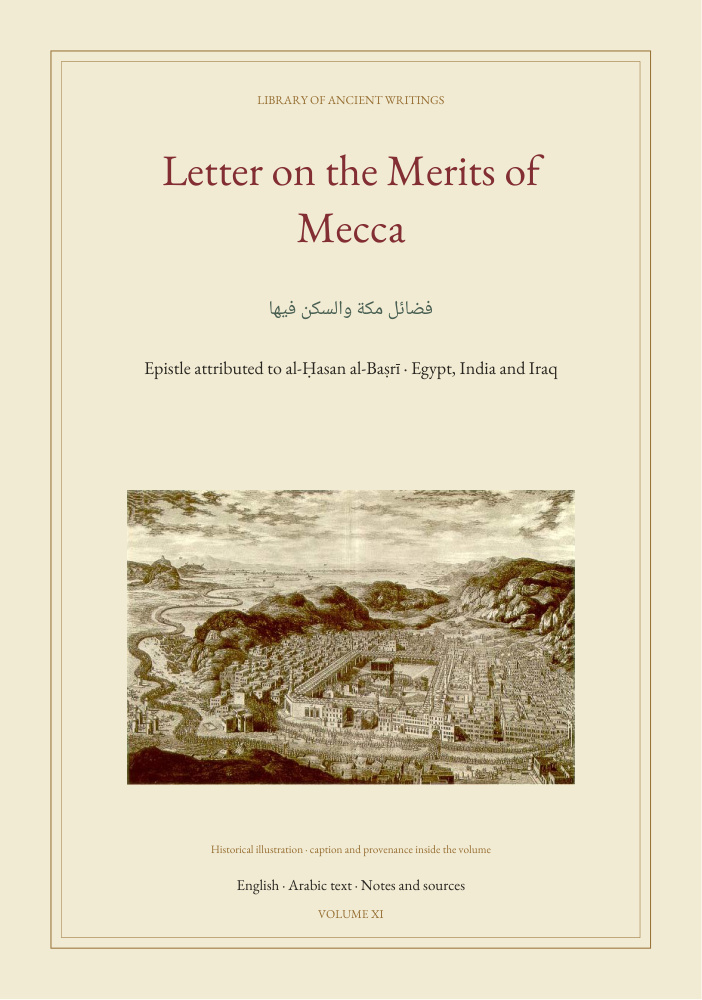
Letter on the Merits of Mecca

A man is considering leaving Mecca for Yemen. To persuade him to stay, his correspondent recalls the circuits around the Kaʿba, the water of the Zamzam well and prayers in the sanctuary. He connects these acts with Quranic verses and traditions about the merits they confer.

47 pages
Cover of Letter to the People of the Maghreb
Practices and the history of societies

Letter to the People of the Maghreb

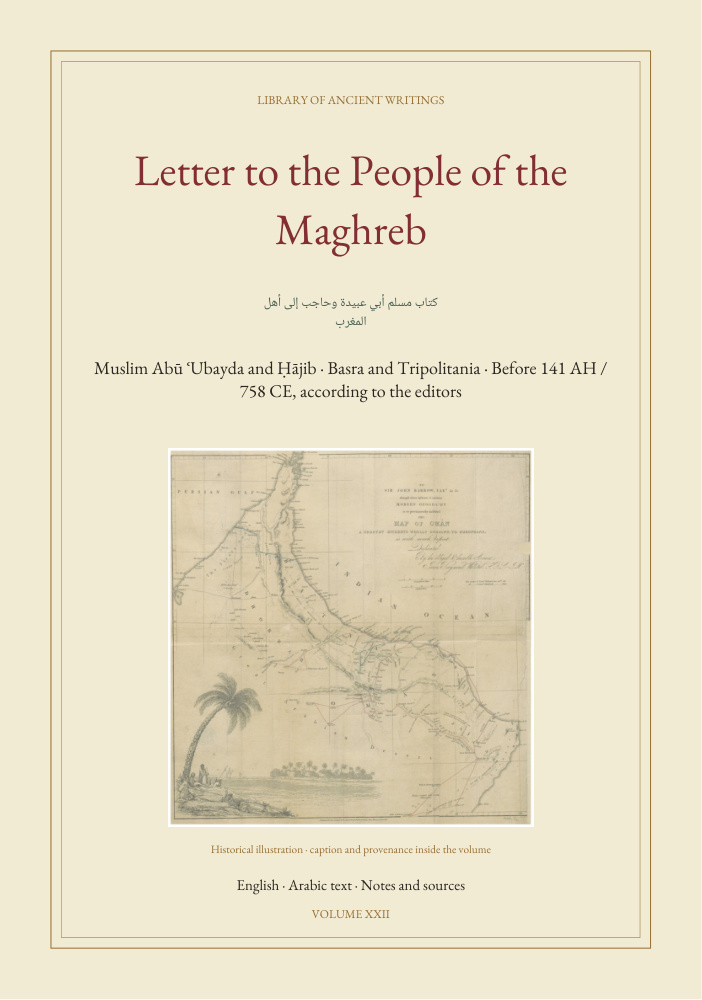
Two men have been found dead, each pierced by the other’s sword. Should one take sides when it is not known who struck first? The authors examine what a witness can assert, what a third party can conclude from it, and the responsibility of those who would demand the same judgement from everyone.

30 pages
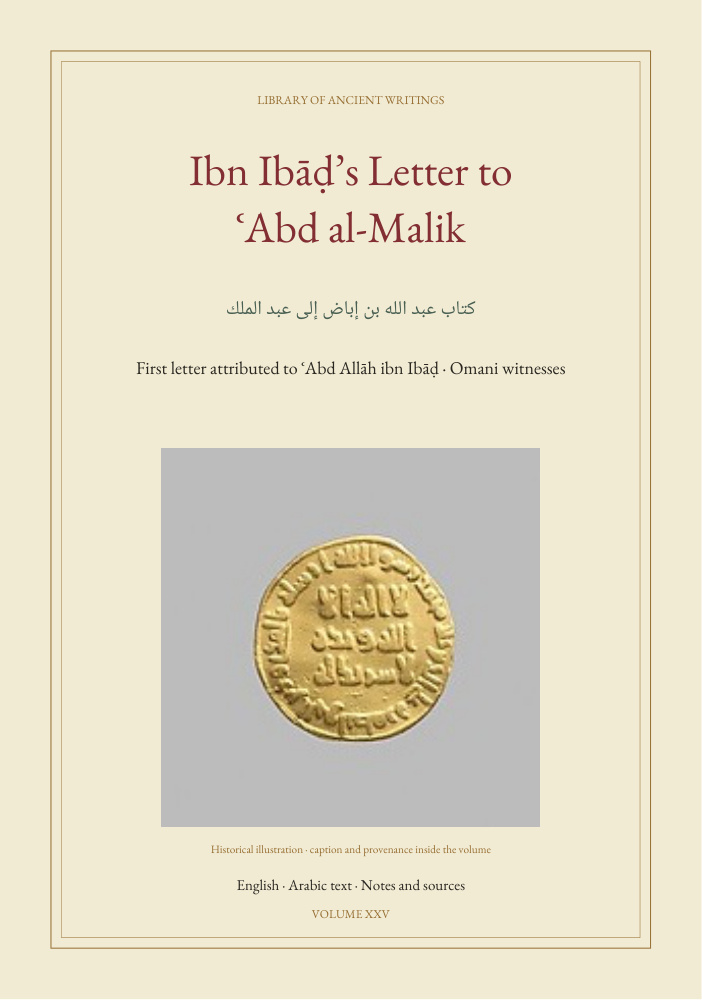
Cover of Ibn Ibāḍ’s Letter to ʿAbd al-Malik
Practices and the history of societies

Ibn Ibāḍ’s Letter to ʿAbd al-Malik

The author asks the recipient to judge the actions of the first caliphs in the light of the Quran. He examines the successions, the banishments for which ʿUthmān is reproached and the use of shared resources. He also discusses Muʿāwiya’s victory before explaining his break with Ibn al-Azraq and requesting a reply.

38 pages
Cover of Letter on Zakāt
Practices and the history of societies

Letter on Zakāt

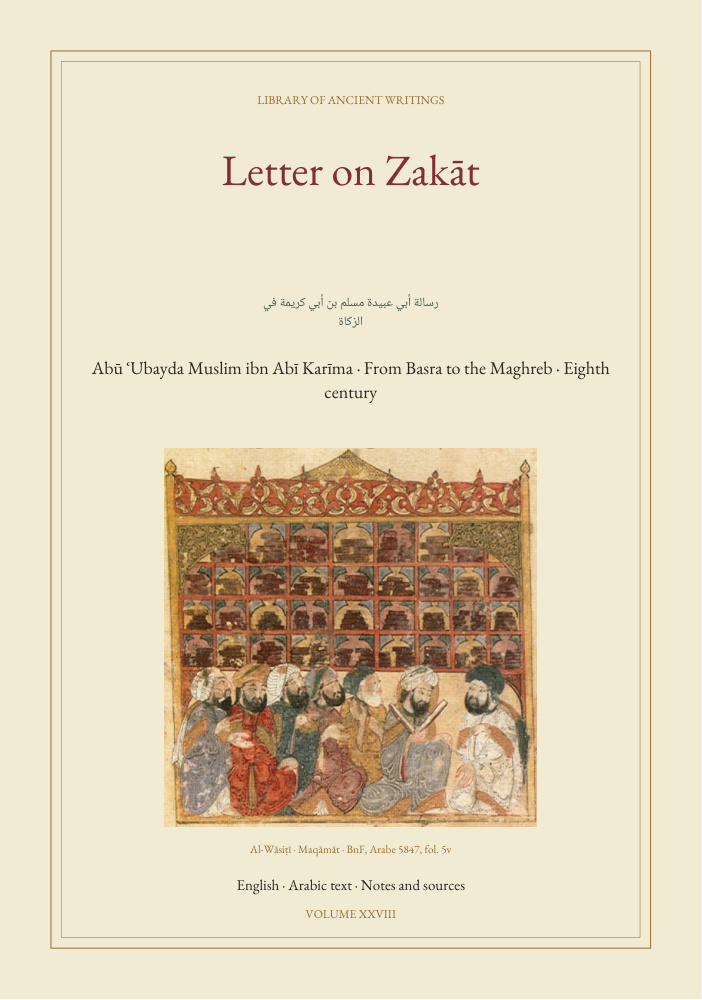
After the harvest, where should the tithe be distributed, and how should a family’s resources be assessed? The questions concern beneficiaries’ shares, collection costs, debts and property entrusted for safekeeping. They also lead the author to examine the value of testimony and the conditions for shared expenditure.

46 pages
Cover of Jesus, the Widow and the Sandalwood Tomb
The Quran: manuscripts, narratives and interpretation

Jesus, the Widow and the Sandalwood Tomb

Gabriel sets Jesus down on an island whose king demands that people prostrate themselves before him. An old woman opens the doors of her palace to Jesus and shows him her husband’s tomb. The dead man’s return and her son’s healing draw the king into a public test concerning faith in the one God.

35 pages
Cover of The Life of Jesus Attributed to John
Christian and apocryphal writings

The Life of Jesus Attributed to John

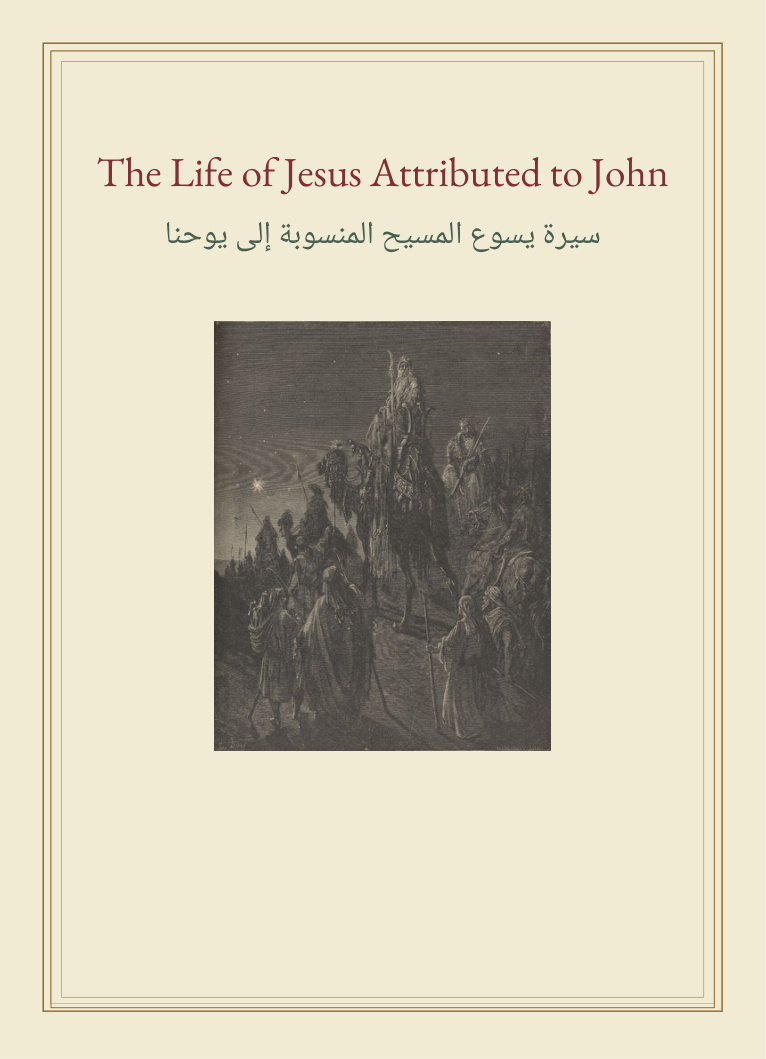
John recounts the life of Jesus, has him converse with the patriarchs and gives animals a voice. Lazarus comes out of the tomb before a crowd. Jesus then describes the end times to the disciples. At several points, the narrative moves abruptly from one episode to another. Finally, prayers and a lending note shed light on the manuscript’s history.

310 pages
Cover of The Garden Offered to Sultan al-Ghawrī
Practices and the history of societies

The Garden Offered to Sultan al-Ghawrī

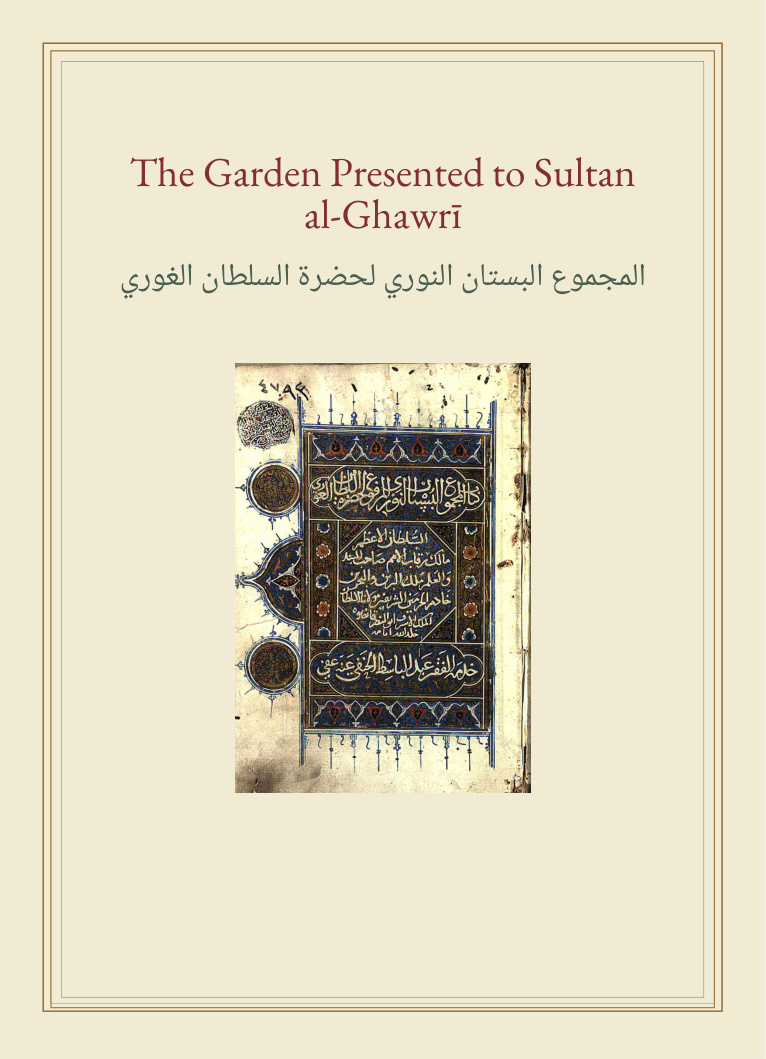
What does “the Merciful” convey that “the All-Merciful” does not? Why attribute the dawn prayer to Adam? The jurist answers by commenting on the Quran, recounting the lives of the prophets and relating traditions about prayers. He also sketches the vocal apparatus and places the Kaʿba at the centre of a compass rose.

489 pages
Cover of The Covenant with the Children of Adam
The Quran: manuscripts, narratives and interpretation

The Covenant with the Children of Adam

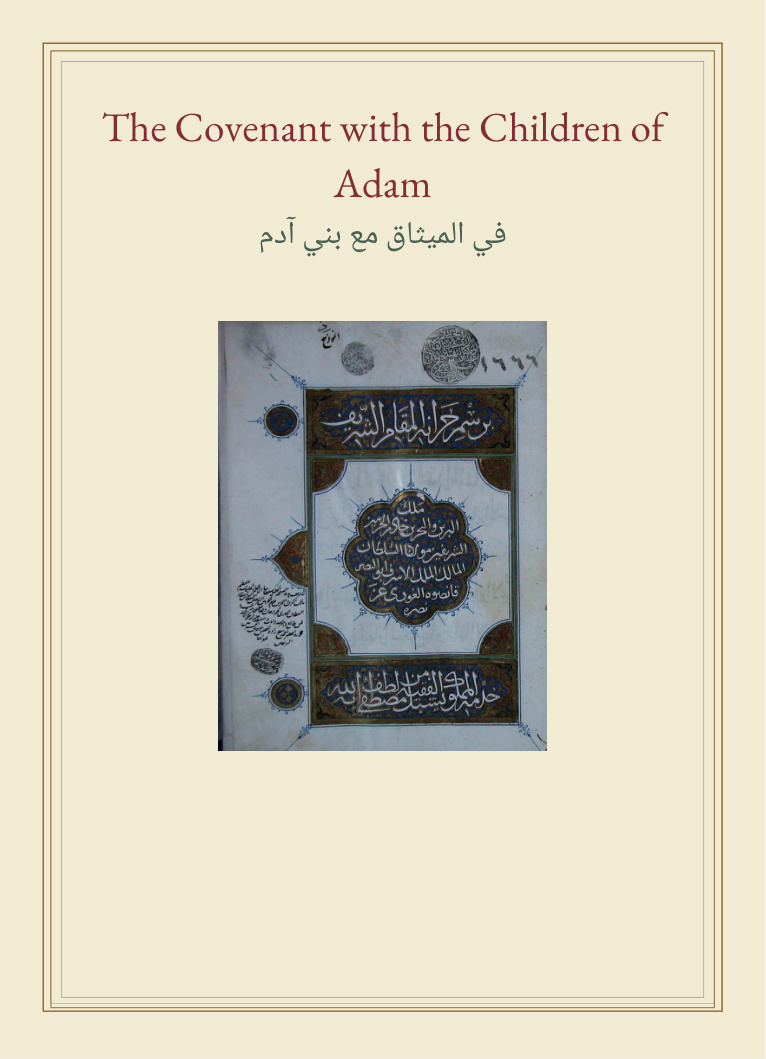
Who answered God when he asked Adam’s descendants whether he was their Lord? The compiler sets the transmitted answers side by side. He then examines the trust refused by the heavens, the fate of peoples without a messenger, faith and the merits of Muḥammad. A prayer for the sultan unfolds according to the letters of the alphabet.

284 pages
Cover of The Biblical Antiquities of Pseudo-Philo
History of the Children of Israel

The Biblical Antiquities of Pseudo-Philo

This book was long read under the name of Philo of Alexandria. Its author remains unknown. This Jewish narrator retells the history of Israel from Adam to Saul. He gives a voice to characters who are almost silent in the Bible. Jephthah’s daughter, for example, is given a name and sings of her own death. Kenaz, barely mentioned in Scripture, becomes the hero of several chapters.

265 pages
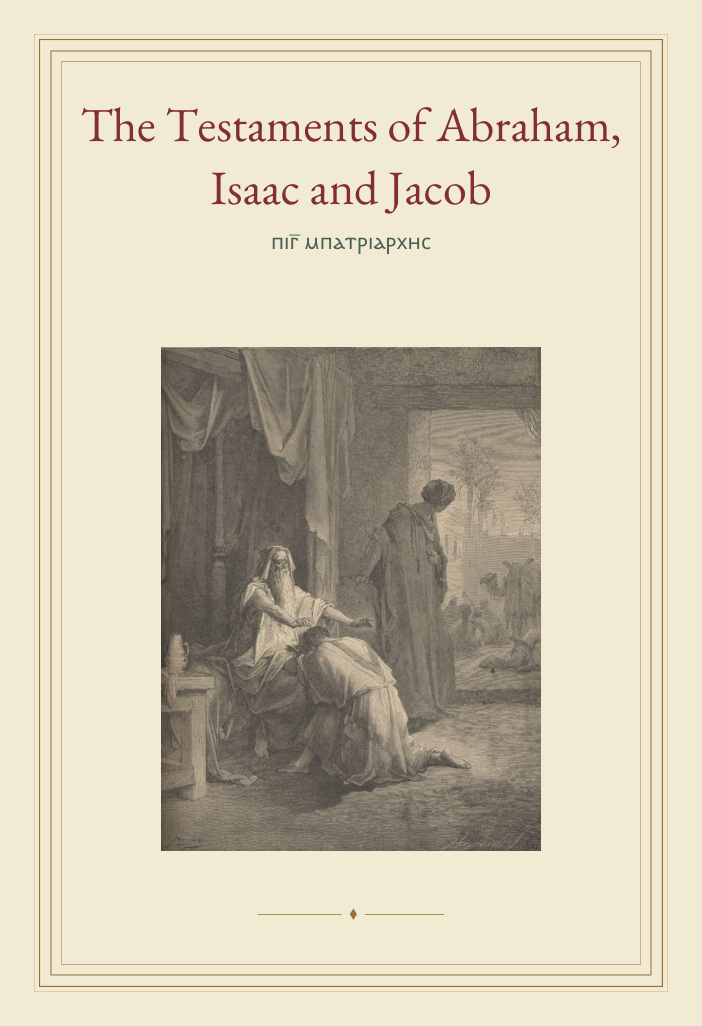
Cover of The Testaments of Abraham, Isaac and Jacob
History of the Children of Israel

The Testaments of Abraham, Isaac and Jacob

Abraham welcomes the archangel Michael to his table. The guest has come to announce his death. The patriarch wishes to see the world before leaving it. Isaac and Jacob too learn that the time is coming to join their fathers. They speak to their children and consider the fate of the living after their own death.

137 pages
Cover of The Book of Lights
Faith, traditions and spiritual life

The Book of Lights

On the first page of the narrative, the title appears in large letters: Kitāb al-anwār, “The Book of Lights”. The text is attributed to Abū l-Ḥasan al-Bakrī. The copy was completed in 694 AH (1295), in Dénia, on the coast of present-day Spain. The identity of the author and the stages through which the book acquired its medieval form remain debated.

438 pages
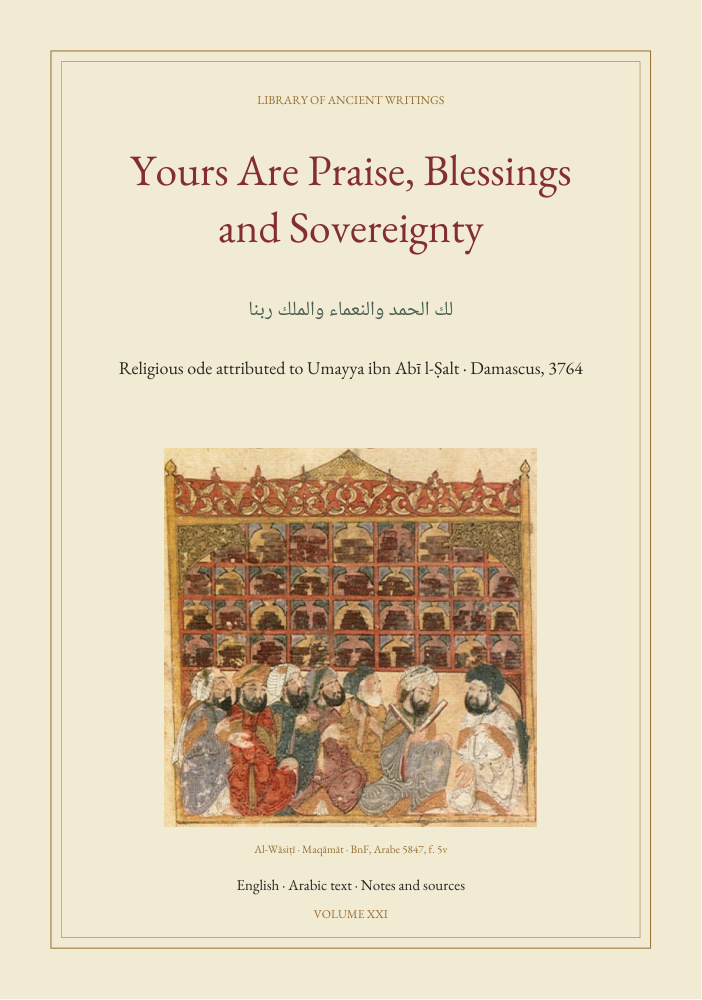
Cover of Yours Are Praise, Blessings and Sovereignty
Faith, traditions and spiritual life

Yours Are Praise, Blessings and Sovereignty

The ode opens with praise of the King and a vision of the angels surrounding the Throne. Its fifty-six verses move from heaven to human consciousness and the passage of time. The refusal to prostrate before Adam leads to the final scene, in which the adversary is consigned to the Fire.

21 pages
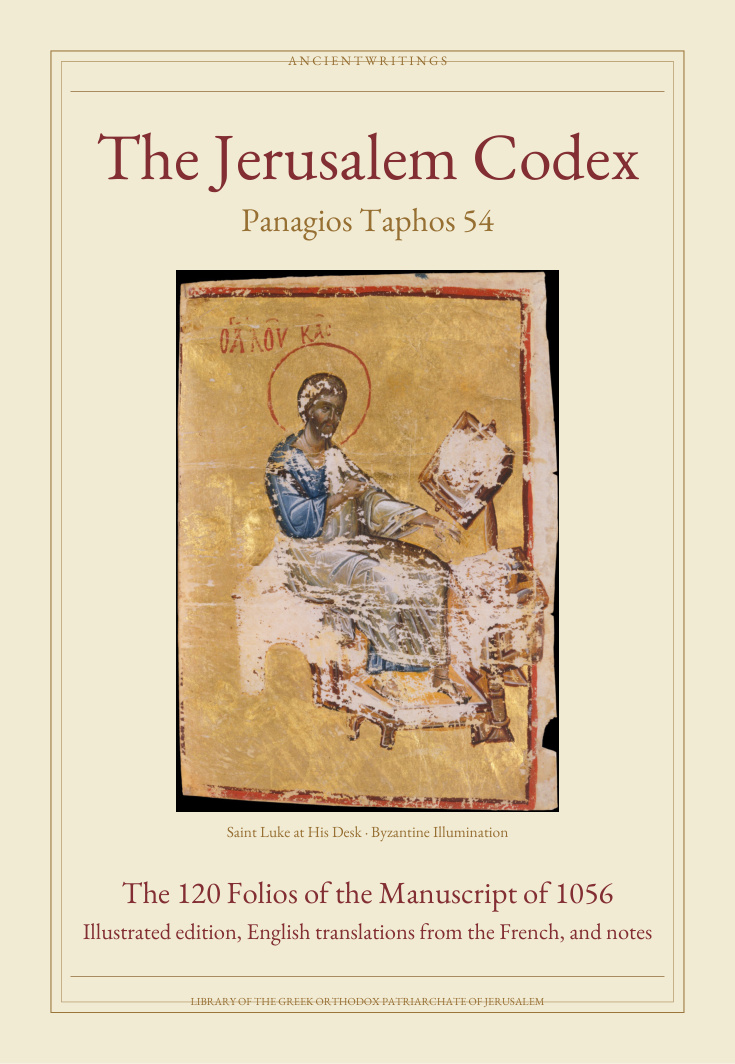
Cover of The Jerusalem Codex — Panagios Taphos 54
Christian and apocryphal writings

The Jerusalem Codex — Panagios Taphos 54

On 11 June 1056, a scribe who signs himself “Leo, notary and sinner” completes a Greek collection of 120 parchment leaves. His colophon does not name the place of copying. Readers find abridged biblical narratives, the letters of Barnabas and Clement, the instructions of the Didache and the long correspondence transmitted under the name of Ignatius of Antioch. In 1873, Philotheos Bryennios rediscovers the volume in Constantinople, in the library of the Monastery of the Holy Sepulchre. He publishes the Didache ten years later. Transferred to Jerusalem in 1887, the manuscript is now held in the library of the Greek Orthodox Patriarchate under the shelfmark Panagios Taphos 54. The 123 images of the Library of Congress microfilm reproduce the manuscript. In this English edition, the translated texts and notes come first, followed by the facsimiles. The English translation follows the French edition; the historical versions may differ from the Jerusalem Greek text. For the letters of Ignatius, the French follows the English translation of the long recension published in 1870.

472 pages